Monday, July 2, 2012

Why Does Coral Matter


We might find ourselves wondering what part does coral play in the conservation of our coral reefs?. The answer took some digging since most of us aren't really aware of what coral does. All creatures, which form part of the underwater community near the reefs, work together to form a balance and cycle, which can easily maintain everyone’s well being. Corals are physically beautiful, yes this is true, but they are also extremely delicate when it comes to human activities, contamination and other unnatural substances. Keeping our coral in a clean and stable state is crucial for the animals, such as the parrotfish, that help our coral reefs to provide food, minerals, and shelter, produced by the coral to keep animals alive. Whether we know this or not, corals also work as barriers. Groups of attached corals maintain the rough currents, and in most cases, dangerous animals off the shore, protecting the beautiful beaches and coastal locations. I guess it is safe to say corals are the beautiful creations and protectors of the meeting between land and water. These natural pieces of mass are beneficial to all aspects of our world. 

Protect the corals for a better tomorrow!

Article by: Giovanna Diez

Thursday, June 7, 2012

Coral Reef Geography


 Reef growing coral lives in water that is less than 120 feet deep, has consistently warm water, and has constant large amounts of sunlight. This means most coral reefs are located in between the tropics of Cancer and Capricorn. This region is perfect for these corals because the algae that they depend on for nutrients thrives in this water. Corals are delicate creatures and can’t tolerate shifting water temperatures so temperate climates are out of the question. There are areas that are outside this awesome coral zone, including the waters around Australia where the Great Barrier Reef. Another abiotic factor that helps coral thrive is the presence of waves. Waves bring fresh nutrients and food to the sedentary coral.
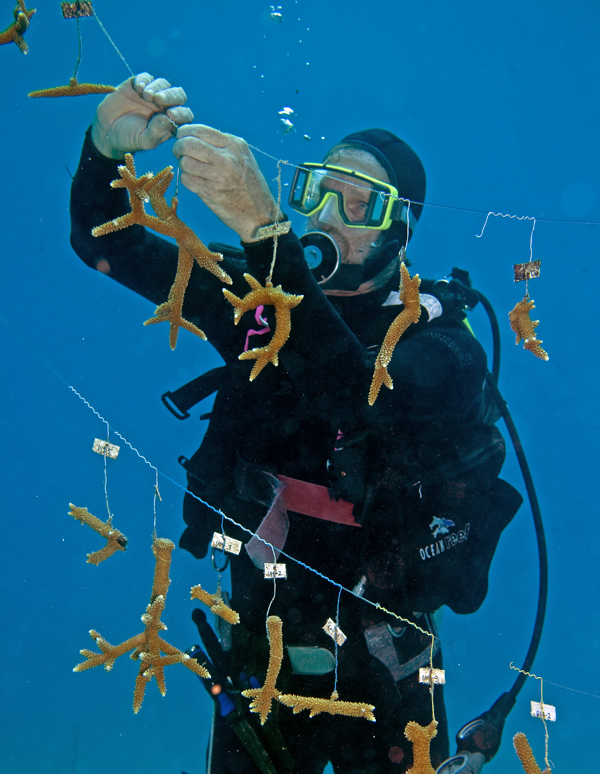
Corals need help. As corals are being threatened by pollution and habitat destruction pockets of coral are isolated which stops corals from diversifying. This makes the little coral we have left susceptible to disease. Reef Check in the Dominican Republic is attempting to stop this from happening by creating a coral nursery. This nursery is located in a sheltered shallow bay at La Caleta. You can help them by liking our Facebook page, Sea Savers DR and adopting a coral.

Article by: Jose Bowen

Adopt-A-Coral

Adopt a Coral is a business administered by Reef Check Dominican Republic. As our mission states, “Offer sustainable solutions for coral reef users around the world and contribute to the increase awareness about the coral reef crisis in the world’s community” our goal through this project is too achieve great awareness as well as reconstructing coral reefs in our country. If we succeed, we will substantially improve our countries economy by prolonging our tourist attractions that include our beaches and coral reefs. This project will take place in our national park La Caleta and Las Terrenas where coral nurseries are already installed and growing increasing numbers of corals that will later be taken to a diminishing coral reef and bring it back to life. Reef Check Dominican Republic is proud to announce Sea Savers Dominican Republic’s incredible help with getting this project up and running.


Article by Maria Laura Leon

Monday, June 4, 2012

World Oceans Day this Friday!


This Friday, June 8, 2012, is World Oceans Day! The purpose of this day is to “change perspective, learn, change our ways, and celebrate.” Remind your peers about the importance of the oceans, not only do the Earth’s seas help feed us, but they generate most of the oxygen we breathe! The oceans also regulate our climate and clean the water we drink. There is a different theme each year, this year’s theme is “Youth the Next Wave for Change.” We, the younger population, have to make a change! Make a pledge to do something for the ocean and follow through with your commitment. You could refuse to use plastic bags, plastic bottles, or just stop using plastic in general. Try buying local food from farms that use little to no extra fertilizers to reduce agricultural run off into the ocean. This could end up causing algal blooms, which in the end may cause hypoxia to fish and other organisms that live in the affected area. Help us save the seas!
Picture from the World Oceans Day website:
http://worldoceansday.org/
By: Meghan Egan

Thursday, May 24, 2012

Our Reef Check Visit to Playa Fronton


Watch us as we explore this beautiful beach and study the marine wildlife found in its coral reefs!
Alongside the Reef Check crew and some students from Ms. Yemma's AP Environmental Science class, we were able to learn more facts about the reefs and what it is exactly that makes them so fragile and susceptible to harm from human activity.


Tuesday, May 15, 2012

Collaboration


A few weeks ago we the Sea Savers joined forces with Reef Check in the Dominican Republic. Our combined missio, will be none other than finding ways to preserve and protect the coral reefs. If you don’t know, Reef Check manages a coral nursery in La Caleta where they grow coral and then either reattach the 
coral to reefs or break them to grow more pieces. The nursery also helps maintain species diversity with the little coral that is left.
Now for the first time ever in the Dominican Republic you, can help 
support the nursery by adopting BABY CORAL!! We will be helping the Reef Check organization implement this idea to hopefully make adoptions available by this summer. We are happy to announce that upon adoption you will receive a goody bag that includes a picture of your coral, interesting facts about coral, tips on how you can help protect your coral, and more. By adopting coral you will be not only be financially supporting them but maybe even contributing to the saving of one of our most diverse ecosystems.
To help Reef Check with this monumental task we will be helping them by designing the goody bag, designing the website and even assisting in the construction of the artificial coral habitat at the nursery. Together with your help we will save the coral reefs, together we will change the planet.

Article By: Jose Bowen